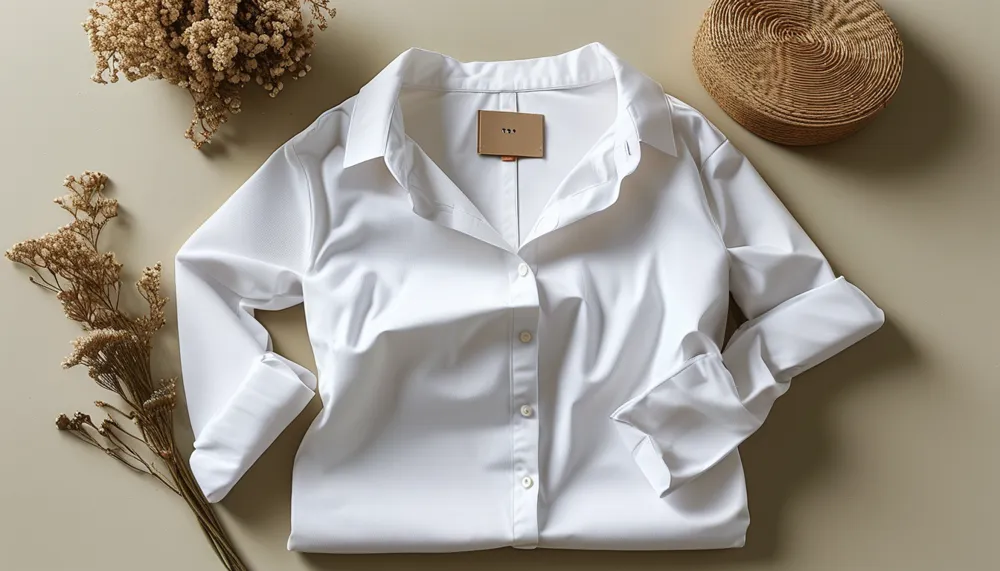
The White Shirt: 7 Ways to Style the Ultimate Basic
Quick Answer: The crisp white shirt styles seven ways from one piece: full tuck for polish, front-tuck for everyday, undone with sleeves pushed up, layered under a slip dress or knit vest, knotted over shorts, worn open as a light jacket, and belted. Fit at the shoulder and a fabric with body are what separate a great one from a limp one.
If there’s one piece that earns its place in every wardrobe, it’s the crisp white shirt.
It’s the ultimate chameleon — polished enough for a board meeting, relaxed enough for a Sunday, and genuinely flattering on everyone. It also solves the specific problem of standing in front of a full closet with nothing that feels right.
Here are seven ways to wear the one you already own.

How Do You Tuck a White Shirt Properly?
Two tucks, two completely different moods.
The full tuck into tailored trousers or a pencil skirt reads sharp and professional. Do it properly: tuck, then pull about an inch of fabric back out over the waistband so it blouses slightly. A shirt pulled flat and tight looks like a uniform.
The front tuck — just the front panel in, sides and back left out — softens everything for everyday. It’s the single most useful styling move in this article because it defines a waist without committing to formality, and it works over jeans, wide-legs and skirts alike.
If your shirt won’t stay tucked, that’s a length problem, not a technique problem. A shirt cut for tucking should reach mid-hip or lower.

The Undone-and-Effortless Version
Unbutton one more than feels natural, push the sleeves up past the elbow, and let it hang loose over jeans.
That slightly undone look is the whole secret to French-girl ease — crisp but never stiff. The sleeve roll matters more than people think: a deliberate two or three folds landing just below the elbow reads intentional, while sleeves shoved up to random heights read rushed.
Add one structural thing to keep it from looking sloppy — a good belt, a loafer, or a single piece of gold jewelry. One anchor is enough.

How Do You Layer a White Shirt?
This is where a white shirt outperforms every other basic you own, because it adds structure to anything soft.
- Under a slip dress — the collar and cuffs peeking out turns a summer dress into a three-season outfit
- Under a knit vest or fine-gauge sweater — collar out, cuffs out, hem out at the bottom for the full preppy-adjacent look
- Over a fitted tee — worn open, it functions as a lightweight overshirt
- Under a blazer — the classic, and still unbeaten for anything that matters
The layering rule that keeps it clean: let exactly two or three elements of the shirt show — collar, cuffs, hem. All four gets busy; one looks accidental.
Dressing It All the Way Down
Knot it at the waist over a bikini. Throw it over bike shorts. Wear it fully open as a light jacket on a warm evening.
The white shirt isn’t just for dressing up — it’s one of the most versatile casual pieces you own, and an oversized men’s-cut one is arguably better at this job than a fitted women’s shirt.
The belt trick deserves its own mention: an oversized white shirt cinched with a wide belt becomes a shirt dress, which is a full outfit built from something you were about to put in the wash.
What Nobody Tells You About Buying a White Shirt
Fabric weight is everything. A thin, cheap poplin goes transparent and limp within an hour. Look for a mid-weight cotton with body — poplin around 110–130 gsm, or a cotton-poplin with 2–3% elastane if you want a bit of give. Hold it up to the light in the shop; if you can read your hand through it, keep walking.
The shoulder seam decides the fit. It should sit exactly at the edge of your shoulder. A tailor can take in a waist or shorten a sleeve for $15–30; nobody can fix a shoulder cheaply.
Whiteness is maintenance, not a purchase. White shirts go grey and yellow from body oils and detergent buildup, not from dirt. Wash at 40°C with a little oxygen bleach every few wears, skip fabric softener entirely, and dry in sunlight when you can — UV genuinely brightens white cotton.
Deodorant is the usual killer. The yellow underarm stain is a reaction between aluminium salts and sweat, and it’s much easier to prevent (let deodorant dry fully; wash promptly) than to remove.
Replace it before you notice it’s tired. A white shirt goes from crisp to sad gradually enough that you stop seeing it. Every year or two is a reasonable rhythm for one you wear weekly.
Mini FAQ
Should I buy fitted or oversized?
Ideally both, eventually. Fitted for tucking and layering under blazers; oversized for the undone, knotted and open-as-a-jacket looks. If you’re buying one, choose based on which of those you’d wear more this month.
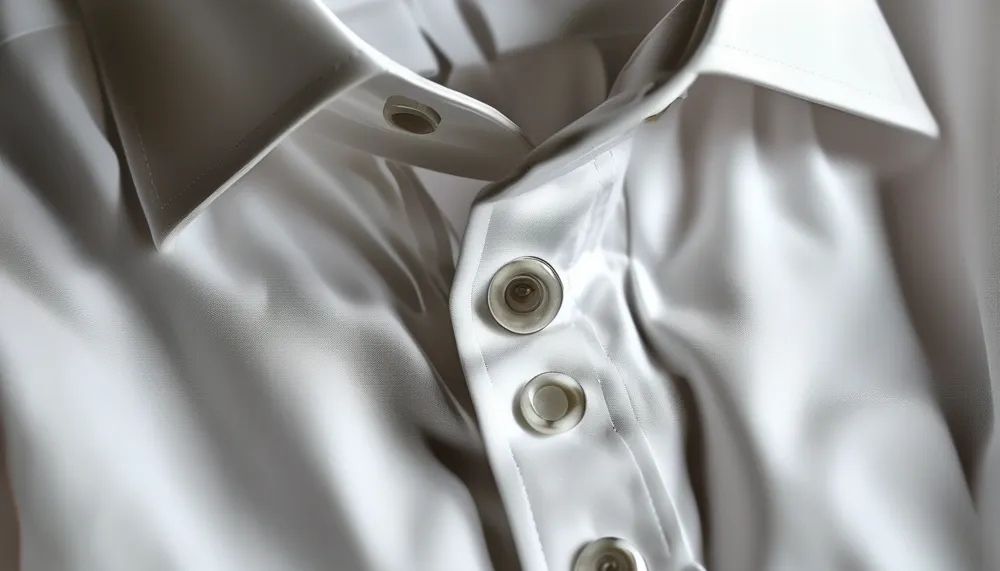
How do I stop the buttons gaping at the chest?
A small stitch or a fashion-tape strip between the buttons at the widest point fixes it permanently and invisibly. If it gapes badly, the shirt is a size too small through the bust — sizing up and having the waist taken in is the better solution.
Can I wear a white shirt if I spill things constantly?
Yes, with strategy: keep a stain-stick in your bag, treat within minutes rather than hours, and choose a slightly thicker weave which is far more forgiving. Also, dark trousers absorb most of the visual damage from a lunchtime incident.
TL;DR:
- Front tuck for everyday, full tuck (with a slight blouse) for polish.
- Unbutton one extra and roll sleeves below the elbow for effortless.
- Layer it under slip dresses, vests and blazers — show two or three elements, not four.
- Knot, belt or wear it open for casual; an oversized cut does this best.
- Buy for shoulder fit and fabric weight; maintain with oxygen bleach, no softener, and sunlight.
The white shirt is proof that the best wardrobe pieces are the simplest. Tuck it, undo it, layer it, or dress it down — one great shirt gives you a week’s worth of outfits. If yours is looking tired, it’s the most worthwhile basic you’ll ever replace.
Keep Reading
This article is for general styling and informational purposes only. Trends, sizing, availability and pricing may vary by brand and season.